

On March 11th, 2026, specialist communications recruiter, Matthew Stevenson, held a roundtable event for internal communications leaders. Bringing together leadership from a variety of organisations and industries, they discussed:
- How internal communications is still defined by crisis
- Constant change is the new normal
- Managing leadership communication
Keep reading for their thoughts on each of these topics.
Key takeaways:
- Internal comms has proven its strategic value, but many organisations have yet to fully embed it as a core part of how they operate, not just how they respond.
- Comms teams must be able to continuously adapt as they operate in a vast changing environment every day.
- Leadership communication is now one of the biggest determinants of employee trust, but it remains one of the least consistent elements within organisations.
Why internal communications is still defined by crisis
Over the past few years, internal communications teams have been thrust into the spotlight. From COVID-19 through to ongoing geopolitical uncertainty, company restructuring, and economic pressure, the function has played a critical role in helping organisations navigate change.
During these moments, its value is undeniable. Teams act as the bridge between leadership decisions and employee experience, building trust, gathering employee feedback and supporting retention. However, that level of strategic importance isn’t always sustained once the crisis passes.
Shifting business perceptions of internal comms
There is a growing sense that internal comms is still too often treated as a function that is called upon when needed, rather than one that is embedded in business decision-making.
As one attendee put it, “Every time there is a crisis, it again reminds you of why effective internal communications is important.” This cyclical pattern (visibility during disruption, followed by periods of reduced influence) creates a challenge for communications leadership trying to shift perception.
Despite the increasing complexity of organisations, and the pace of change they are operating within, internal comms is still often seen as a delivery function, rather than a strategic partner.
Internal communications’ project involvement
This is particularly evident when looking at how and when comms is brought into projects. Often, teams are engaged late in the process once decisions have already been made. As such, they are expected to simply translate and distribute messaging, rather than influence the narrative itself.
At the same time, the demand on the function hasn’t reduced. According to our 2026 Annual Pay & Hiring Report, 63% of communications professionals have said their workload has increased in the last 12 months. Organisations are navigating:
- Continuous transformation
- External uncertainty
- Shifting employee expectations
Yet, internal comms teams are still having to justify their role beyond execution.
Growing investment in internal communications
Interestingly, there are signs of progress. In some sectors, particularly where complexity and risk are higher, there is growing investment in communications. One attendee shared how their organisation is actively expanding its comms function, “There’s investment in communications, we’re now looking to scale up across internal comms, PR and digital.”
Plus, as our Annual Pay & Hiring Report reveals, 14% of employers intend to engage communications talent this year.
However, this isn’t yet consistent across the board. Even where investment does exist, there is still a need to educate leadership on what internal comms should (and should not) be responsible for.
Constant change is the new normal
According to the internal communications leaders we spoke to, there is no longer a “steady state” for internal communications. Whether it’s mergers, restructures, economic pressure or global events, organisations are operating in a near-constant state of change and internal comms sits right at the centre of it.
Balancing workloads is becoming a key feature of the role
Many teams are creating employee communications strategies to manage these changes, while still delivering critical business priorities. The tension between delivering business outcomes and supporting employees through uncertainty is becoming a defining feature of the role.
Unlike other functions, internal comms doesn’t have the luxury of waiting for clarity. Teams are often required to:
- Communicate decisions that are still evolving
- Provide reassurance without having all the answers
- Maintain momentum while people are distracted, disengaged, or anxious
This is compounded by the external environment.
From geopolitical instability to economic shifts, external factors are increasingly shaping internal sentiment. As one attendee noted, events like global conflict or market disruption don’t just sit in the background, they directly impact how employees feel about their organisation and its future.
The result is that internal comms is no longer just managing internal change but also helping employees make sense of the world outside the business. This creates a more complex role than ever before.
The structure of communications teams must change
This level of change isn’t temporary. There was a strong sense throughout the roundtable that organisations are now in a permanent state of transformation, whether driven by technology, market conditions, or structural change.
This raises an important point around the long-term structure of communications departments. If change is constant, then internal comms can no longer be structured or resourced as if it’s an exception. Instead, it needs to be built for continuous adaptation with the ability to flex between strategic guidance, crisis response, and day-to-day delivery.
Managing leadership communication
If internal comms sits at the centre of change, then leadership communication sits at the centre of internal comms. Across the roundtable, there was a consistent theme: employees expect more from leaders than ever before, but leaders aren’t always equipped (or willing) to meet those expectations.
From the employee perspective, the ask is clear:
- Be visible
- Be honest
- Be consistent
- Communicate even when the message is difficult
But in practice, this doesn’t always happen.
Communicating the good news only
A common frustration among internal communications teams is that leaders are choosing to communicate only when there’s positive news.
The impact of this is immediate. When leaders disappear during periods of uncertainty, trust erodes quickly and when they reappear to share positive updates, employees see straight through it.
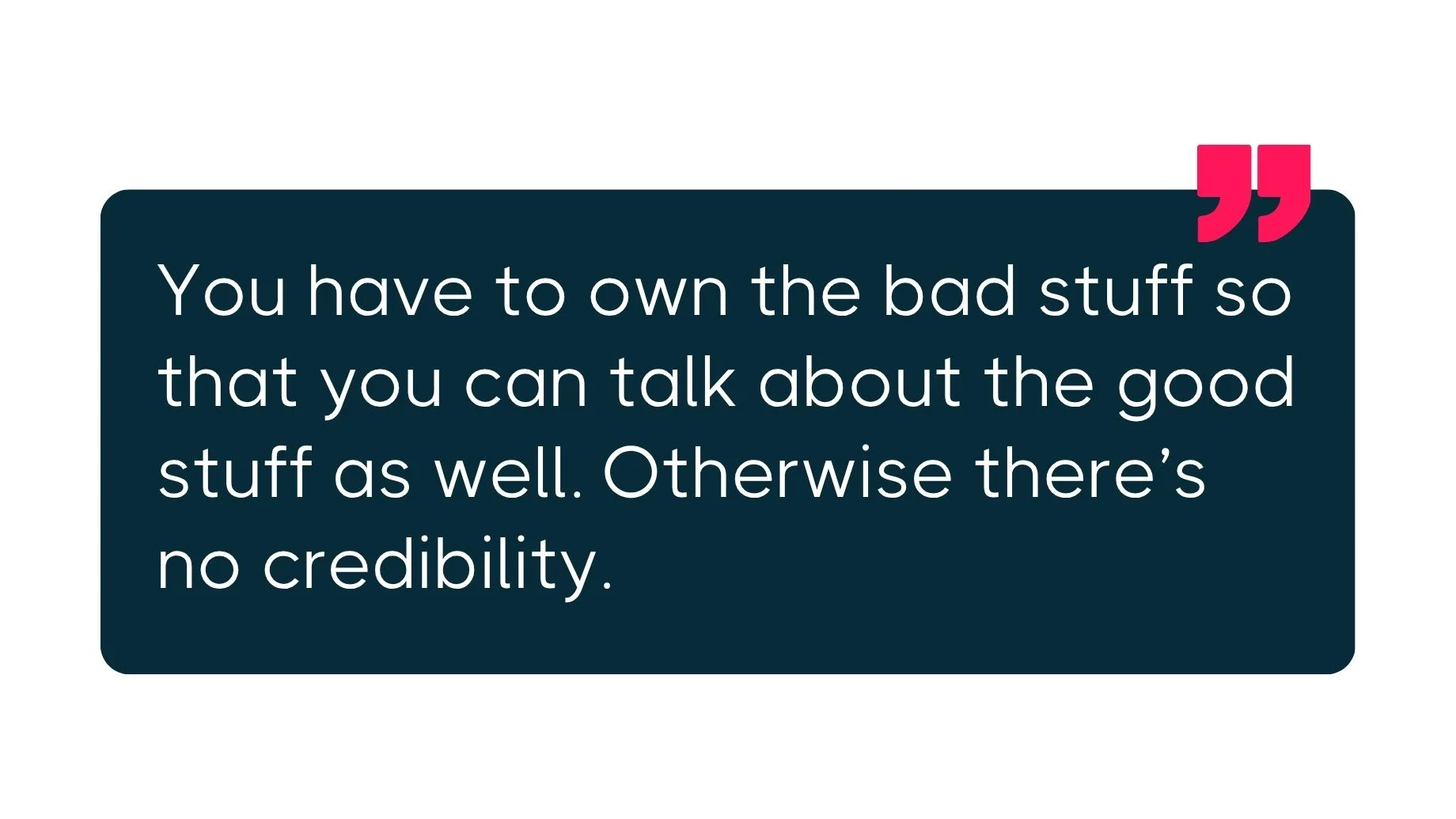
This highlights a clear shift in the role of internal comms. Leadership communication is no longer just about what is said, but when and how consistently it is said.
The role of Communications Managers within leadership comms
What makes this more complex is where internal comms sits within it. Internal comms are increasingly acting as:
- Coach, helping leaders communicate more effectively
- Challenger, pushing for visibility and honesty
- Translator, turning business strategy into meaningful narratives
But there are limits to how much influence they can have. When leaders resist, whether due to discomfort, inexperience, or competing priorities, comms teams are often left managing the consequences.
One size doesn’t fit all leadership
Another nuance that came through strongly is that not all leaders communicate in the same way. Not all are naturally comfortable being visible or vulnerable.
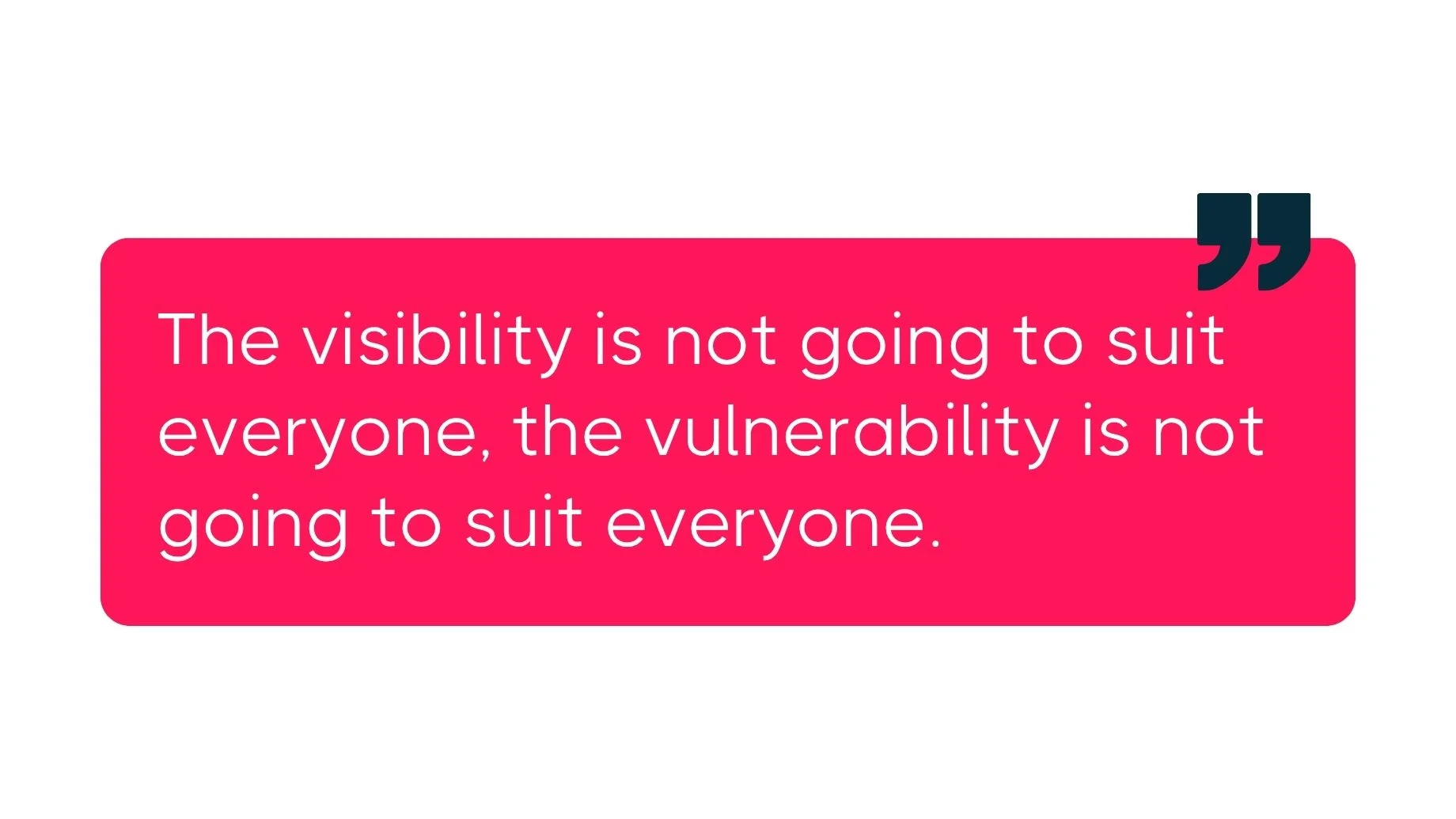
This creates an additional challenge. Employees expect consistency, but leadership styles vary significantly. As such, comms teams are required to balance different leadership personalities, playing to individual strengths while still maintaining a coherent approach across the organisation.
Is your internal communications team built for the future?
A lot has changed in the past five years for internal communications functions. If it’s time to evolve your team structure, be sure to reach out to Matthew Stevenson for specialist comms recruitment support.