
Head of Communications job description
This page details everything you need to know about the Head of Communications job title, including core responsibilities and how to approach communications recruitment.
Head of Communications
This page details everything you need to know about the Head of Communications job title, including core responsibilities and how to approach communications recruitment.
The Head of Communications is a senior in-house leadership role responsible for shaping and protecting an organisation's reputation across every audience.
Using integrated PESO channel management, crisis planning, executive communications, and internal engagement platforms (such as Staffbase, Poppulo, or Workplace), they align brand messaging with commercial and stakeholder outcomes.
Responsible for the management of the communications team, the Head of Communications plays a key role in maintaining a consistent brand voice, raising awareness of a company and ensuring appropriate internal communications. This guide covers the day-to-day responsibilities, career path, and how the role differs from Head of PR and Head of Marketing.
While the job title's responsibilities can vary depending on the company and industry, the core responsibilities usually include:
The ideal candidate will have the following skills and experience on their CV:
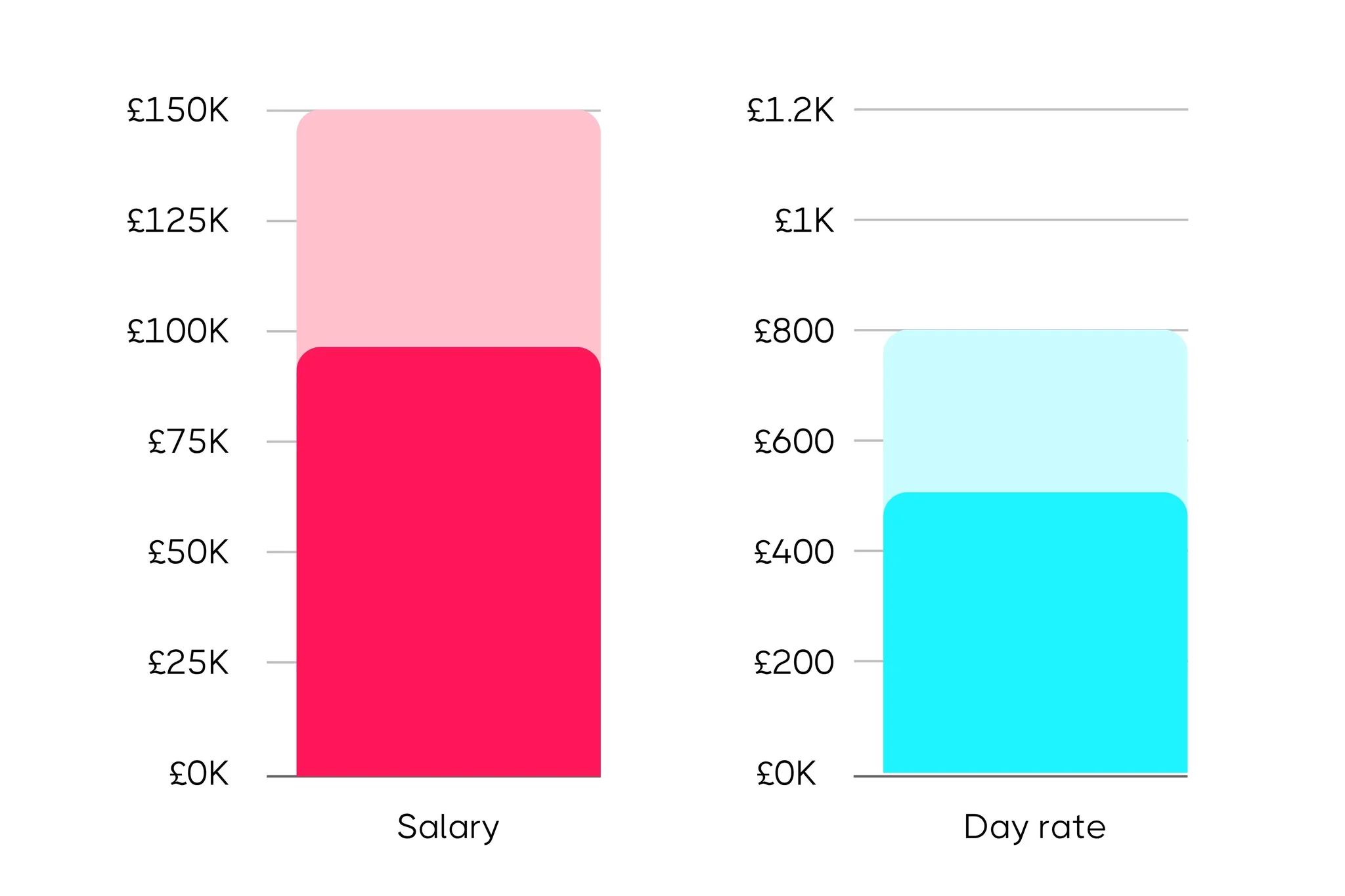
The average Head of Comms salary in the UK is £90,000 - £150,000.
Pay brackets can vary based on experience required, industry, and company size. For more in-depth advice, review our complete communications salary guide.
Progression from Communications Executive to Head of Communications takes c. 10-15 years.
The evolving role of communications leadership means Heads of Comms now often report directly into the CEO. That widening scope drives pay progression at each stage.
Entry-level, commonly focused on one channel: media relations, internal comms, social media, or content. They are responsible for first drafts of press releases, for example.
First line-management responsibility for 1 or 2 direct reports and ownership of a defined channel or campaign. Typically reporting into a Head of Communications.
Full sub-function ownership, briefing the CEO or C-suite directly, and running campaign budgets of £150,000+. The rise of internal communications as a standalone senior discipline has made the Head of Internal Comms tier a career destination in its own right, particularly at organisations of 1,000+ employees.
Full-function ownership across external, internal, crisis, executive comms, and increasingly public affairs and AI Visibility. Board or exec-committee reporting line and annual budget accountability of £500,000+.
This tends to be a board seat with a cross-functional mandate covering corporate affairs, ESG, investor relations, internal comms, and reputation. Here, there is a direct CEO reporting line.
Empowering communications leaders with this level of scope, budget authority, and CEO access is the differentiator between businesses that retain senior comms talent and those that lose it to competitors.
Learn moreReady to hire a Head of Communications? Get in touch to see how we can help!

Having surveyed our expansive network of communications talent, Head of Communications have a strong focus on the challenge their work provides them and continuing to progress their career in 2026. If you're looking to hire communications professionals this year, we recommend understanding what the market is looking for. You can do this by parntering with a specialist recruitment agency, like 3Search.
Most Heads of Communications hold an undergraduate degree in communications, English, journalism, marketing, or a related field, plus 10-15 years of progressive experience across in-house or agency roles. CIPR Chartered Practitioner status carries a salary premium, as it "provides recognition of your expertise, professional judgement and commitment to ethical practice."
The Head of Communications owns the full communications function and reports into the exec team. Meanwhile, a Communications Director sits at a more senior tier with wider responsibility across corporate affairs, investor relations, or global messaging, typically reporting directly to the CEO.
Communications roles retain flexibility in 2026, with just 2% of professionals reporting working from the office 5-days a week in our Annual Pay & Hiring Report.
Fully-remote roles are more common at scale-up and tech businesses than at FTSE or public sector employers.
It's a high-pressure role, particularly around crisis events, restructures, and regulated announcements. However, the compensation is calibrated to the stress load, with 74% of UK Head of Communications professionals report satisfaction with their salary (Glassdoor UK, 2026).